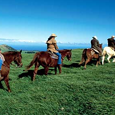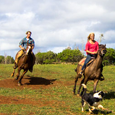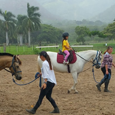
Ever wonder what life is really like for a horse at Parker Ranch in Hawaii? Whether you’re an experienced rider or just dreaming about the islands from your couch, understanding what these amazing animals actually do every day can totally change how you experience your horseback riding adventure in paradise. I’m going to take you behind the scenes to show you their daily routines, activities, and what makes ranch life in Hawaii so unique. Trust me, after reading this, you’ll appreciate your trail ride so much more! Let’s dive into what a day looks like for these incredible horses!
Key Takeaways:
Hawaiian ranch horses have seriously busy days packed with different tasks and interactions with riders and handlers.
The unique Hawaiian environment and landscape play a huge role in everything these horses do daily.
Ranch horses in Hawaii are super well-cared for and get plenty of downtime for chilling out and socializing with their buddies.
A Day in the Life of a Ranch Horse in Hawaii – What is it like?
Living on a ranch in Hawaii, these horses enjoy this distinctive mix of daily activities that really emphasizes how important they are to ranch life while also showcasing the stunning beauty of their surroundings.
The relationship between these animals and their environment reflects the rich culture and lifestyle of ranching in this absolutely gorgeous setting.
What activities do ranch horses participate in daily?
Ranch horses in Hawaii get involved in all sorts of activities – herding cattle, participating in local rodeos, and helping with horseback riding tours for both tourists and locals who want to experience the real ranch life!
On a typical day, ranch horses are involved in several key activities:
Herding cattle in Waimea for about two hours where they skillfully navigate through all kinds of different terrains.
Preparing for local rodeos by practicing roping techniques for about an hour – it’s actually pretty impressive to watch!
Guiding tourists on horseback riding tours through beautiful routes that usually last around three hours.
Maintaining their fitness through regular conditioning rides lasting between one to two hours.
Seasonal adjustments are totally normal in their routine. During breeding season, horses might spend more time on round-up sessions, while summer months often see more tour bookings, which means more guided rides.
How does the Hawaiian environment affect ranch horses?
Hawaii’s diverse environment with its lush valleys and volcanic landscapes plays a huge role in how ranch horses are trained and cared for – it’s not like ranching anywhere else!
For example, the humid tropical climate means frequent grooming is essential to prevent skin issues like fungus. The volcanic terrain impacts hoof care too because those rocky surfaces can cause increased wear and potential injuries.
Forage availability also changes with the seasons. During drier months, ranchers often need to supplement their horses’ diets with quality hay or grains to make sure they’re getting proper nutrition. This careful consideration of environmental factors leads to adjustments in training routines, ensuring horses adapt to varying conditions while staying healthy and performing their best.
Morning Routine of a Ranch Horse
The morning routine for a ranch horse is super important for maintaining their energy and performance throughout the day – it’s like their morning coffee!
This routine typically starts with early feeding and grooming, which really sets a positive tone for everything that comes after.
What time do ranch horses start their day?
Ranch horses generally start their day around 6:00 AM, right when the early morning light hits and the temperatures are still nice and cool here in Hawaii.
At this time, they’re fed their morning grain and hay, giving them the energy they need for the day ahead. Feeding them early ensures they get those nutrients needed for turnout, which usually happens by 7:00 AM.
This schedule lets the horses enjoy the coolness of the morning before the heat rolls in. By 8:00 AM, there might be a light exercise session or grooming, which helps with bonding and keeps them physically and mentally stimulated. Getting involved in these activities doesn’t just boost their physical health – it also contributes to their happiness and overall well-being!
Feeding schedules and nutrition for ranch horses
Proper nutrition is absolutely essential for ranch horses, and establishing feeding schedules that meet their energy needs and support their overall health is crucial.
A well-structured feeding schedule should include several key components tailored to the horse’s workload.
During heavy work periods, it’s smart to provide 15 to 20 pounds of hay and 4 to 6 pounds of grain daily, along with necessary vitamins and minerals as supplements. In lighter work seasons, you can reduce grain intake to 2 to 4 pounds while keeping hay levels consistent.
Making sure horses have access to clean water is crucial because proper hydration plays such a big role in their well-being. Adjust this feeding schedule based on factors like age, weight, and specific nutritional needs, especially during transitions from active to rest seasons.
Grooming practices and their importance
Grooming is a vital part of a ranch horse’s morning routine – it’s not just about keeping them clean, it also strengthens that bond between the horse and handler in ways you wouldn’t expect!
Regular grooming practices include brushing, hoof care, and coat conditioning. Start with a curry comb to effectively loosen dirt and debris, then follow up with a stiff brush for a more thorough cleaning. After that, use a soft brush on sensitive areas to make sure the horse is comfortable throughout the process.
For hoof care, tools like a hoof pick and hoof knife are essential. Clean and inspect hooves weekly to prevent potential issues down the road.
This grooming routine doesn’t just enhance circulation – it also creates this tactile connection that builds trust, ultimately improving the horse’s performance and enriching that relationship between horse and handler.
Daily Activities on a Hawaiian Ranch
Throughout the day, ranch horses get involved in all kinds of activities that are absolutely essential to keeping ranch life running smoothly here in Hawaii.
What types of work do ranch horses perform?
Ranch horses are crucial for various tasks – rounding up cattle, participating in rodeo events, and supporting those horseback riding tours that visitors love!
On smaller ranches, horses are mainly used for daily cattle herding. A cowboy managing a 100-acre ranch might rely on a strong Quarter Horse to efficiently gather and move a few dozen cattle to a new pasture using low-stress handling techniques that keep the animals comfortable.
On larger ranching operations, horses need more specialized skills. They might be involved in shipping cattle where experienced riders on agile Arabians skillfully navigate through huge herds.
Ranches offering tourism activities typically use versatile horses like Appaloosas for trail rides, making sure visitors of all skill levels can have an enjoyable and memorable experience.
How do ranch horses contribute to farm operations?
Ranch horses play this essential role in keeping farm operations running effectively – they contribute so much to the smooth execution of daily ranch activities!
For example, they’re vital for transporting equipment across those extensive pastures, often saving tons of time compared to using a vehicle. A well-trained ranch horse can cover several miles in just minutes, letting ranchers quickly access the tools they need for maintenance or repair tasks.
When it comes to moving livestock, horses provide this quiet, non-threatening way of gathering cattle that significantly reduces stress for both the animals and handlers. Training a horse for these specific jobs can really boost productivity, making them an invaluable asset on any ranch.
What role do ranch horses play in horseback riding tours?
Horses play such a crucial role in those popular horseback riding tours available in Hawaii – they really enhance the experience for tourists looking for adventure and a deeper connection to nature!
When selecting the right ranch horses for these tours, you need to carefully consider their training and temperament. Horses are typically assessed for their calm demeanor and responsiveness to commands – qualities that are vital for accommodating riders of all skill levels.
Training methods often involve desensitizing horses to various things they’ll encounter along scenic routes, like those offered by agencies such as Horseback Riding Oahu. These tours frequently navigate beautiful trails, beachfronts, and lush landscapes, requiring horses that can effectively handle diverse terrains while keeping riders safe and happy throughout their journey.
Interactions with Riders and Handlers
The relationship between ranch horses and their riders is absolutely essential for both effective performance and enjoyment in ranch activities – it’s what makes everything work!
This bond plays such a crucial role in the overall experience of working with these amazing animals.
How do horses bond with their riders?
Building a strong bond with riders really enhances the performance and overall experience of ranch horses during activities and tours – it’s what separates a good ride from an incredible one!
To cultivate this bond, ranchers should use consistent handling techniques.
Spend at least 15 minutes each day grooming your horse – this not only builds trust but also gives you an opportunity to check their physical condition.
Incorporating groundwork exercises like lunging or long-lining can further strengthen communication and respect between horse and rider. Riding on varied terrain – trails, fields, whatever you’ve got – can improve both the horse’s and rider’s adaptability.
Successful partnerships are great examples to look at. Take John and his Appaloosa who achieved championships in ranch versatility competitions through their dedicated training and trust-building routines – it’s inspiring stuff!
What training do ranch horses undergo?
Training is absolutely crucial for ranch horses because it focuses on developing skills that improve their performance in both ranch tasks and riding tours.
Key components of training include ground manners, which ensure the horse is respectful and manageable around humans, plus riding skills like responsiveness to cues.
Notable trainers in Hawaii, including the Hawaii Horse Association and local programs like Harris Ranch, place strong emphasis on both safety and performance.
Many trainers also incorporate obstacle courses to boost the horse’s confidence and adaptability. Consistent practice in various settings can significantly increase a horse’s versatility, making them invaluable assets on the ranch or during guided tours.
Unique Aspects of Ranch Life in Hawaii
Ranch life in Hawaii is truly distinct – it’s shaped by the islands’ unique culture and geography in ways that significantly influence the experiences of both horses and their handlers!
What makes ranching in Hawaii different from other locations?
Hawaiian ranching practices often represent this beautiful blend of traditional methods and modern approaches, creating a distinctive ranching culture that honors both heritage and innovation.
At the heart of this culture is the concept of “pono” which emphasizes the importance of harmony and balance with nature – it’s a really beautiful philosophy!
Ranchers typically incorporate traditional values into their horse handling, placing strong emphasis on respect and gentleness. For instance, techniques like Hawaiian-style “paniolo” (cowboy) riding show this philosophy where riders prioritize their horses’ well-being. Many ranches also adopt sustainable practices like rotational grazing that help protect land resources and reflect this profound connection to the land.
Beyond these traditional methods, ranchers use modern tools like GPS technology for tracking cattle, which boosts efficiency in their operations and creates this dynamic ranching environment that’s unlike anywhere else.
How does the landscape influence ranch horse activities?
Hawaii’s diverse landscape – from coastal plains to mountainous terrain – significantly influences the types of activities ranch horses engage in throughout their day.
In the flatter coastal areas, horses often navigate sandy beaches, making them perfect for leisurely rides and ranch roping activities. These horses help with gathering cattle and assisting with calving, which require both agility and speed.
In mountainous terrain, horses adapt to steep inclines and rugged trails, making them ideal for trail riding and exploration. In this environment, they excel at packing gear and guiding tours, ensuring both rider and cargo stay secure.
This remarkable adaptability highlights the essential role horses play in effectively navigating Parker Ranch’s varied landscapes!
Health and Well-being of Ranch Horses
Ensuring the health and well-being of ranch horses is absolutely crucial – it allows them to perform their tasks effectively and keeps them happy!
Taking proper care of these horses supports not just their physical condition but also enhances their overall performance on the ranch.
What veterinary care do ranch horses receive?
Veterinary care for ranch horses includes regular check-ups, vaccinations, and preventative measures specifically tailored to their work and environment – it’s all about keeping them in top shape!
Essential vaccinations include those for:
West Nile virus
Eastern and Western equine encephalitis
Tetanus
These are typically given annually. Conducting health checks twice a year is advisable, with particular attention to dental exams and hoof care. Any work-related injuries should be monitored closely, especially in the dynamic ranch environment.
Using tools like the EquiCrown smartphone app can be really helpful – it offers reminders for vaccination schedules and health check logs, streamlining care management. Working with a local equine veterinarian is also crucial as this ensures horses receive personalized attention that considers the ranch’s specific conditions.
How do ranch horses stay fit and active?
Maintaining fitness and activity levels is crucial for ranch horses to perform their duties effectively – both physically and mentally!
To achieve optimal fitness, integrate a variety of activities into your ranch horse’s routine.
Regular trail rides can significantly enhance endurance – aim for two to three sessions per week, each lasting between one to two hours.
Incorporating cattle work not only sharpens their instincts but also builds muscle development. Schedule this once or twice a week.
Lunging for 15 to 20 minutes before rides serves as an effective warm-up while also improving agility.
Regular turnout in a paddock allows for natural movement and helps prevent boredom – ideally provide this for several hours each day.
Leisure Time for Ranch Horses
When they’re not working, ranch horses really benefit from leisure time that promotes relaxation and social interaction – they need their downtime just like we do!
What do horses do during their downtime?
During downtime, ranch horses engage in all kinds of activities – grazing, socializing with their buddies, or simply relaxing in a safe environment, all of which help reduce stress.
Grazing on kikuyu grass in particular offers significant benefits as it provides essential nutrients and supports digestive health.
Horses also love interacting with their companions, often engaging in mutual grooming that not only strengthens social bonds but also helps reduce anxiety among them.
Horses find comfort in lying down or rolling in soft areas of the pasture, which lets them relax and stretch their muscles. Providing a safe and spacious environment makes these natural behaviors possible.
Regularly rotating pastures can further enhance their grazing experience, ensuring they have access to fresh and nutritious options.
Are there opportunities for socializing with other horses?
Socializing with other horses is absolutely essential for their mental well-being – ranches often promote this interaction by providing group pastures and play areas where horses can just be horses!
These environments create opportunities for horses to establish social hierarchies and engage in natural behaviors like grooming and playing together.
For instance, many ranches designate specific areas where horses can safely interact under supervision, fostering healthy relationships. Tools like round pens can help with structured playtime, allowing each horse to express itself while minimizing injury risk.
Organized activities like group trail rides further encourage bonding among horses, helping them develop important social skills in a secure environment that benefits everyone.
Seasonal Changes in Ranch Life
Seasonal changes in Hawaii lead to notable adjustments in ranch life – these influence the activities of ranch horses as well as the management practices used on the ranch.
How does the weather impact a ranch horse’s daily routine?
Weather conditions in Hawaii directly impact the daily routines of ranch horses – they influence the timing and execution of various tasks throughout the day.
For example, on rainy days, adjust schedules by feeding horses during sunny periods to avoid dealing with muddy paddocks – nobody wants to work in that!
During extreme heat, organize work for early morning or late afternoon to reduce the risk of heat stress. Using shade structures for resting horses and making sure they have plenty of water are key strategies for keeping them hydrated and comfortable.
Keeping an eye on the weather forecast can be helpful for planning essential tasks like hoof trimming or vaccinations. This proactive approach helps ensure horses remain comfortable and well cared for regardless of changing weather conditions.
What seasonal activities are unique to Hawaii’s ranches?
Hawaiian ranches offer various unique seasonal activities that reflect both the environment and cultural practices throughout the year – it’s what makes ranching here so special!
One notable event is the annual cattle branding where ranch hands show their skill by rounding up cattle on horseback – it really emphasizes teamwork and tradition in action!
Another cherished activity is the makahiki festival celebrating the Hawaiian harvest through games and traditional riding demonstrations. Luaus are also commonly held, often incorporating horseback rides along those gorgeous coastal trails, allowing participants to immerse themselves in the scenic beauty while learning about local culture.
These events don’t just engage the community – they also strengthen the bond between ranchers and their horses, enriching the overall ranching experience in ways that are truly unique to Hawaii.
Ranch Horse Retirement and Legacy
The retirement of ranch horses plays such a crucial role in ranch life – it demonstrates a genuine commitment to their well-being and honors the incredible legacy they’ve created.
What happens to ranch horses when they retire?
When ranch horses retire, they typically enjoy a more relaxed lifestyle with plenty of pasture time and less strenuous activities – they’ve earned it!
There are several great options available for retired ranch horses. Many organizations like the Equine Rescue Network and local sanctuaries offer adoption programs that connect these horses with families looking for companion animals.
For those who may not want to adopt, dedicated retirement pastures like Green Pastures Sanctuary provide this tranquil environment where horses can roam and graze freely.
Some ranches create on-site retirement areas allowing horses to spend their days comfortably under the care of familiar staff they know and trust. Each of these options offers a fulfilling and leisurely retirement for these deserving animals who’ve given so much!
How are retired horses cared for on Hawaiian ranches?
Retired horses living on Hawaiian ranches receive specialized care that emphasizes their comfort and health, allowing them to fully enjoy their later years in peace.
Their daily feeding consists of high-quality hay and supplements specifically designed to meet their nutritional needs, which can vary depending on age and any existing health conditions.
Regular health monitoring is essential – ranchers typically schedule veterinary check-ups twice a year and keep close track of vaccinations.
Providing social opportunities like allowing horses to graze in pairs or small groups significantly enhances their emotional well-being. Training staff in equine body language ensures any signs of discomfort are addressed promptly, contributing to a peaceful and fulfilling retirement experience for these cherished animals.
Bridging Question
When you look at the complex lives of ranch horses in Hawaii, it really makes you think: how do all these different elements of their daily experiences influence their roles and overall well-being? It’s pretty fascinating when you really think about it!